
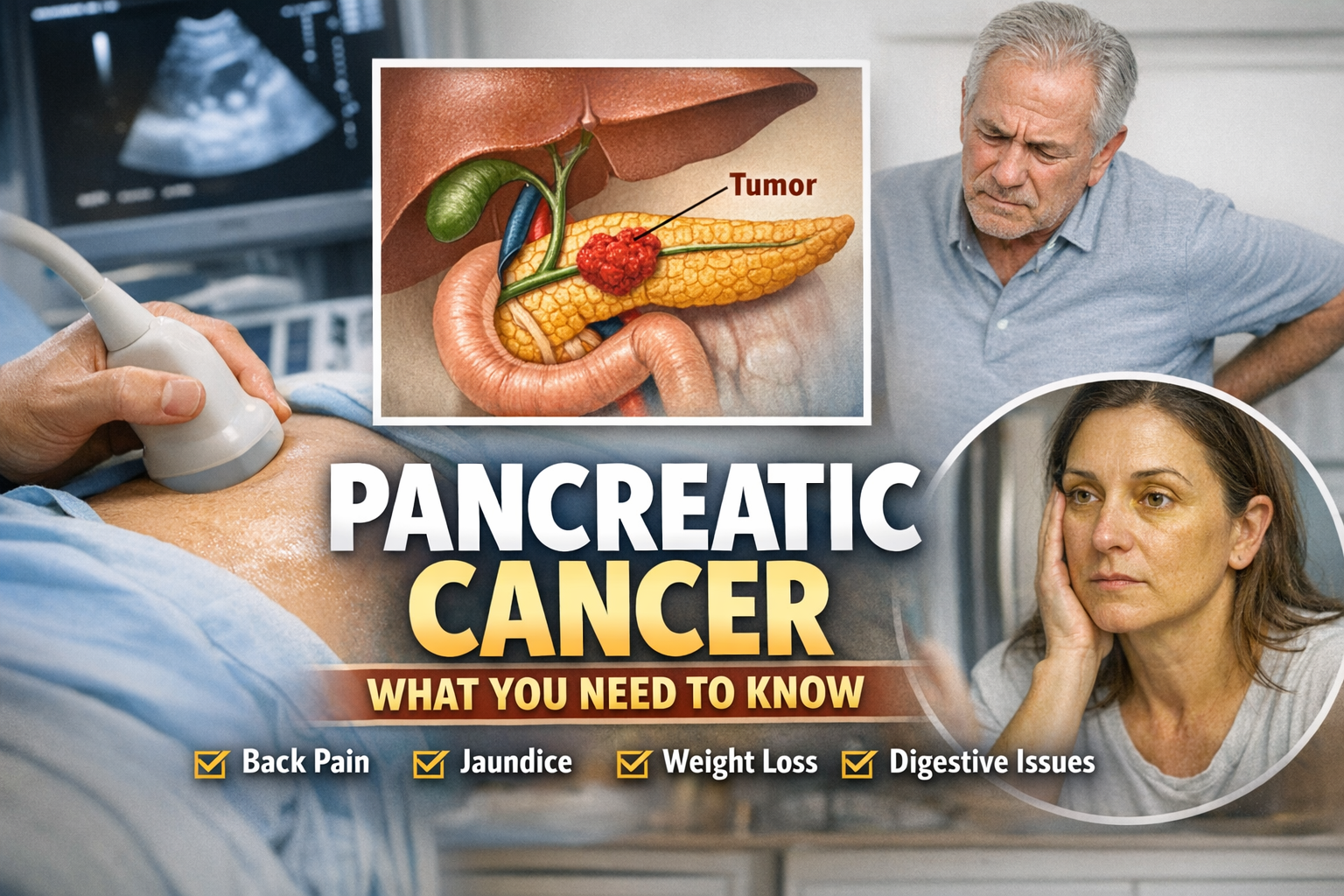
Cancer de Pancreas (Pancreatic Cancer): Symptoms, Causes, Diagnosis, Treatment, and Daily Life
Cancer de pancreas, more commonly called pancreatic cancer in English, is a serious disease that begins in the tissues of the pancreas. The pancreas sits deep in the abdomen behind the stomach and plays two big jobs in daily health: it helps break down food with digestive enzymes, and it helps regulate blood sugar through hormones such as insulin. When cancer develops there, it often stays quiet at first, which is one reason the condition can be difficult to catch early.
What makes pancreatic cancer so important in real life is not only that it is serious, but that its early warning signs can look ordinary. A person may notice vague back pain, appetite loss, new digestive trouble, weight loss, jaundice, or fatigue and assume it is a gallbladder issue, acid reflux, stress, aging, or diabetes getting harder to control. In some people, symptoms do not become obvious until the cancer has grown or begun affecting nearby structures such as the bile duct.
This guide explains what pancreatic cancer is, the main types, what may cause it, common symptoms, who is at higher risk, how doctors diagnose and stage it, what treatment and daily life may look like, and what prevention or risk-reduction steps can realistically help. This article is educational and not a substitute for medical care. Unexplained jaundice, persistent upper abdominal pain, repeated vomiting, blood clots, or fast unintentional weight loss should be evaluated by a qualified clinician promptly.
Table Of Contents
Understanding Cancer de Pancreas
Types Of Cancer de Pancreas
Causes Of Cancer de Pancreas
Symptoms Of Cancer de Pancreas
Risk Factors
Diagnosis Process
Living With Cancer de Pancreas
Prevention Strategies
Practical Examples
Conclusion
Frequently Asked Questions
Final Editorial Disclaimer
References
Understanding Cancer de Pancreas
Pancreatic cancer happens when cells in the pancreas begin to grow out of control. In plain language, normal cells follow rules. They grow, divide, do their job, and die when they should. Cancer cells break those rules. Over time, they can form a tumor, invade nearby tissues, block normal pathways such as the bile duct, and spread to other parts of the body.
To understand why the symptoms can be confusing, it helps to know what the pancreas does. Part of it helps digestion by making enzymes that flow into the small intestine. Another part helps control blood sugar by making hormones, including insulin. Because the pancreas is tucked deep behind the stomach and near the liver, bile ducts, and intestines, a growing tumor can affect digestion, weight, energy, bowel habits, and blood sugar all at once.
That is also why pancreatic cancer does not always announce itself in one dramatic way. A tumor in the head of the pancreas may block bile flow and cause jaundice. A tumor in the body or tail of the pancreas may not cause jaundice early, but may cause pain, weight loss, or fatigue later. In everyday life, that means two people with pancreatic cancer can look very different at first.
Another practical point matters: pancreatic cancer is not one single experience. The type of tumor, where it starts, whether it can be removed surgically, whether it has spread, and the person’s overall health all shape what treatment and day-to-day life will look like. That is why a careful diagnosis and staging process is so important before anyone talks about the best next step.
Types Of Cancer de Pancreas
Exocrine Pancreatic Cancer
This is the most common broad category. It starts in the cells involved in making digestive juices. Within this group, pancreatic ductal adenocarcinoma is the type most people mean when they say “pancreatic cancer.” It is by far the most common form discussed in general health information and cancer treatment guidelines.
In practical terms, this is the type most associated with symptoms such as jaundice, abdominal or back pain, appetite loss, weight loss, fatigue, and digestive changes. It is also the type most often described as difficult to detect early.
Pancreatic Neuroendocrine Tumors
These tumors start in the hormone-producing cells of the pancreas. They are much less common than exocrine pancreatic cancers and can behave differently. Some make excess hormones, while others do not. Overall, they tend to have a different course and often a better prognosis than the more common exocrine cancers.
This distinction matters because the symptoms can be very different. For example, some hormone-producing neuroendocrine tumors may cause low blood sugar episodes, ulcers, diarrhea, flushing, or unusual metabolic symptoms rather than the more classic jaundice-and-weight-loss picture.
Stages Of Pancreatic Cancer
Doctors also classify pancreatic cancer by stage, which describes how far the cancer has spread. Stages range from very early disease to cancer that has spread to distant organs. In clinical practice, another set of terms is also important: resectable, borderline resectable, locally advanced, and metastatic. These categories help guide treatment decisions, especially whether surgery may be possible and when chemotherapy or radiation may come first.
For patients and families, this is one of the most important realities to understand: treatment planning is not based on the name of the cancer alone. It depends heavily on stage, location, and whether the tumor can be removed safely and completely.
Causes Of Cancer de Pancreas
There is not one single cause of pancreatic cancer. In most people, it develops because genetic damage builds up in pancreatic cells over time. Those changes can affect how cells grow, repair themselves, and respond to normal “stop” signals. Eventually, some cells begin dividing uncontrollably and behaving like cancer.
That does not mean a person “caused” their own cancer. In real life, most cancers come from a mix of biology, age, environment, inherited risk, and long-term exposures. Some factors are modifiable, such as smoking. Others are not, such as age or inherited gene changes.
For many readers, the most helpful way to think about cause is this: pancreatic cancer usually arises from a long process rather than one event. A person does not get it because of one meal, one stressful year, or one episode of indigestion. The concern is the accumulation of risk and cellular damage over time.
There are also precursor pathways in some cases. Certain pancreatic cysts or long-standing pancreatic conditions may increase concern, which is why some people are followed with imaging and specialist care. That does not mean every pancreatic cyst becomes cancer, but it explains why some people are advised to undergo surveillance instead of ignoring the finding.
Symptoms Of Cancer de Pancreas
Pancreatic cancer symptoms can be subtle at first. Some people feel completely fine in the early phase. Others notice vague problems that are easy to dismiss. The most important symptoms to know include:
Jaundice, or yellowing of the skin and eyes
Dark urine
Pale, light-colored, greasy, or floating stools
Itching
Pain in the upper abdomen, middle abdomen, or back
Loss of appetite
Unexplained weight loss
Fatigue or unusual weakness
Nausea, bloating, or digestive discomfort
New diabetes or diabetes that suddenly becomes harder to control
Blood clots in some cases
Why Jaundice Can Be an Important Clue
When a tumor blocks the bile duct, bile cannot flow normally into the intestine. That backup can turn the eyes and skin yellow, darken the urine, lighten the stool, and trigger itching. In real life, some people first think they are dehydrated or have a liver issue, when the real problem is a blockage caused by a pancreatic tumor.
Jaundice is especially important because it often pushes people to seek care sooner. It is not present in every case, but when it appears with unexplained weight loss, abdominal discomfort, or digestive changes, it deserves prompt medical attention.
Pain May Be Vague, Deep, and Easy to Misread
The pain of pancreatic cancer is not always sharp. It may feel like a dull ache in the upper abdomen, pressure under the ribs, discomfort that seems to move through to the back, or a persistent deep pain that is hard to describe. Some people feel worse after eating. Others notice it more at night or when lying flat.
Because that pattern overlaps with many more common conditions, people sometimes spend weeks or months assuming they have reflux, gallbladder trouble, muscle strain, or chronic indigestion. That does not mean every back or stomach pain is pancreatic cancer. It means persistent, unexplained pain should not be brushed aside when it comes with weight loss, fatigue, jaundice, or appetite loss.
Weight Loss and Appetite Changes Often Show Up Early in Daily Life
Many people with pancreatic cancer describe eating less not because they are trying to lose weight, but because food stops sounding good. Meals become smaller. Greasy foods may feel harder to handle. Nausea may appear. The person may feel full sooner or simply lose interest in food.
This matters because unintended weight loss is often one of the signs families notice first. Clothes fit differently. Energy drops. Strength fades. Someone who used to finish a normal meal starts nibbling only a few bites.
Digestive Changes Can Affect Quality of Life
Because the pancreas helps digestion, pancreatic disease can lead to bloating, loose stools, oily stools, cramping, or trouble tolerating meals. Some people need pancreatic enzyme replacement after surgery or when the gland is not working well enough to help digest food properly. In everyday terms, this can mean meals become stressful, weight becomes harder to maintain, and planning around the bathroom becomes part of life.
Symptoms of Pancreatic Neuroendocrine Tumors May Be Different
If the cancer is a pancreatic neuroendocrine tumor rather than the common exocrine type, symptoms may depend on whether the tumor makes hormones. Some people may have low blood sugar episodes, recurrent ulcers, diarrhea, or other metabolic symptoms rather than the classic jaundice pattern.
When Symptoms Need Urgent Attention
Seek urgent medical care for symptoms such as:
New jaundice
Severe or persistent vomiting
Inability to keep fluids down
Severe abdominal pain
Confusion, fainting, or major weakness
Signs of dehydration
Sudden swelling and pain in an arm or leg
Shortness of breath or chest pain
These symptoms do not prove pancreatic cancer, but they can signal a serious medical problem that should not wait.
Risk Factors
Risk factors do not mean certainty. They simply mean the chance is higher than average. Some people with several risk factors never develop pancreatic cancer. Others develop it without any obvious risk factor. Even so, understanding the major ones is useful.
Age
Pancreatic cancer becomes more common with increasing age. It is generally more a disease of older adults than younger people. That does not mean younger adults cannot develop it, but age clearly matters.
Smoking
Smoking is one of the clearest modifiable risk factors. Tobacco exposure increases the risk of pancreatic cancer and is one of the most important preventable contributors. This is one of the most practical prevention points in the entire topic.
Family History and Inherited Risk
A strong family history can matter. Some inherited syndromes and gene changes are associated with increased pancreatic cancer risk, including changes linked to BRCA-related cancer risk, Lynch syndrome, Peutz-Jeghers syndrome, hereditary pancreatitis, and some other familial cancer syndromes. This does not mean every family with one case needs panic, but it does mean patterns in family history deserve attention.
Chronic Pancreatitis and Pancreatic Conditions
Long-standing inflammation of the pancreas can increase concern over time. Chronic pancreatitis does not mean cancer is inevitable, but it is an important piece of risk assessment. Clinicians also pay attention to certain pancreatic cysts and other structural pancreatic findings because some may need surveillance rather than neglect.
Diabetes and New-Onset Blood Sugar Problems
Diabetes and pancreatic cancer have a complicated relationship. Long-standing diabetes may be associated with higher risk, and in some cases pancreatic cancer can also show up as new diabetes or suddenly worsening blood sugar control. This is especially important when new diabetes appears alongside weight loss, appetite loss, jaundice, or abdominal pain.
Obesity, Physical Inactivity, and Related Metabolic Health
Excess body weight and metabolic health patterns are part of the broader risk picture for many cancers, including pancreatic cancer. These factors do not act in isolation, but they matter enough to be part of long-term risk reduction strategies.
Alcohol Use
Alcohol is not the first factor most people think of in pancreatic cancer, but heavy long-term use can contribute indirectly by increasing the risk of pancreatitis and damaging overall metabolic health. The real-life takeaway is simple: heavy alcohol use is not helpful for pancreatic or overall digestive health, even if it is not the only driver of cancer risk.
Diagnosis Process
Pancreatic cancer is often difficult to diagnose early because the symptoms can be vague and because the pancreas is hidden behind other organs. Doctors usually rely on a combination of history, physical examination, lab work, imaging, and tissue sampling when needed.
Medical History and Physical Exam
The process often starts with a close look at the symptom pattern. A clinician may ask about jaundice, weight loss, appetite changes, bowel changes, family history, smoking history, pancreatitis, diabetes, and whether pain moves into the back.
This conversation matters more than many people realize. Sometimes the pattern itself raises concern before any test is done.
Blood Tests
Blood tests may check liver function, bilirubin, blood sugar, and general health markers. In some cases, clinicians also use tumor markers such as CA 19-9. But this is an important point: CA 19-9 is not good enough to be used as a routine screening test for the general population. It may help in the larger picture of diagnosis and monitoring, but it cannot by itself confirm or rule out pancreatic cancer.
Imaging Tests
Imaging is central to diagnosis and staging. Depending on the case, doctors may use:
CT scan, often a pancreas-focused protocol
MRI or MRCP
Endoscopic ultrasound
Sometimes ERCP, especially when bile duct blockage or stenting is part of care
These tests help show where the tumor is, how large it is, whether it is blocking ducts, and whether it appears to involve nearby blood vessels or other organs.
Biopsy
A biopsy may be needed to confirm the diagnosis. Endoscopic ultrasound-guided biopsy is commonly used because it allows tissue sampling from inside the digestive tract. In practice, whether a biopsy is done immediately depends on the situation, the imaging findings, and the treatment plan being considered.
Staging
Once cancer is confirmed or strongly suspected, staging becomes essential. Doctors need to know whether the tumor is localized, whether it involves nearby vessels, and whether it has spread to distant organs. This is what guides treatment conversations such as surgery first, chemotherapy first, radiation, or a palliative approach.
Genetic Testing and Specialized Evaluation
In some patients, germline genetic testing and tumor profiling may be considered. This can help identify inherited cancer risk and sometimes guide treatment decisions. For families, this can also affect whether relatives should consider counseling or high-risk evaluation.
About Screening
There is currently no effective routine screening test recommended for the general population. Surveillance is more relevant for people at high risk, such as those with strong family history or certain inherited syndromes, and it is often done in specialized programs using imaging such as MRI and endoscopic ultrasound.
Living With Cancer de Pancreas
Living with pancreatic cancer is not just about treatment days. It affects eating, sleep, work, energy, finances, family roles, and the emotional tone of ordinary life. Even before treatment starts, people may be dealing with pain, weight loss, fear, and uncertainty.
Treatment May Include Several Approaches
Treatment depends on stage, tumor type, location, and overall health. Options may include surgery, chemotherapy, radiation therapy, targeted treatment in selected cases, symptom-focused procedures such as bile duct stenting, or palliative care measures. For resectable disease, surgery may offer the best chance for long-term control. For other cases, the goal may be to slow growth, reduce symptoms, and improve or preserve quality of life.
Surgery Can Be Major and Recovery Takes Time
If the tumor can be removed, surgery may involve a complex procedure such as a Whipple procedure for tumors in the head of the pancreas. Recovery is not quick. Appetite may be reduced. Bowel habits may change. Fatigue may linger. People often need help with meals, transportation, medication schedules, and follow-up visits for weeks to months.
Daily Eating May Need to Change
Many people do better with small, frequent meals instead of three large ones. Protein becomes important. Hydration matters. Greasy or very heavy meals may be harder to tolerate. Some people need pancreatic enzyme replacement to digest food better, especially after surgery or if the pancreas is not making enough digestive enzymes.
Practical meal ideas may include:
Soft eggs with toast and fruit
Yogurt with nut butter
Oatmeal with protein added
Soup with chicken or beans
Rice, fish, and cooked vegetables
Smoothies when chewing feels exhausting
Small snacks every two to three hours
The best food plan depends on the individual. Some need help preventing weight loss. Others need help controlling nausea, diarrhea, constipation, or blood sugar swings.
Fatigue Is Often One of the Hardest Parts
Cancer-related fatigue is not just “being tired.” It can feel heavy, persistent, and out of proportion to activity. Many people discover that their old daily rhythm no longer works. A full grocery trip, a shower, or one medical appointment may use most of the day’s energy.
A realistic approach usually works better than trying to “push through” everything. That may mean planning one major task per day, sitting while cooking, accepting help with errands, and protecting time for rest.
Pain and Symptom Control Matter
Pain management is not a side topic. It is core care. So is treatment for nausea, constipation, diarrhea, appetite loss, anxiety, depression, and sleep disruption. Palliative care is often misunderstood, but it can be valuable at any stage because it focuses on symptom relief and quality of life alongside cancer treatment.
Emotional Life Changes Too
People living with pancreatic cancer often carry layers of uncertainty. There may be fear about test results, treatment effects, work, money, body changes, or burdening loved ones. Families may struggle too. One person wants every detail. Another wants to focus only on the next week. This is normal.
Helpful support can include:
A cancer center social worker
A registered dietitian
Palliative care
A therapist or counselor
Faith or community support
Family meetings with the care team
A notebook or app for medications, symptoms, and questions
Real-Life Challenges That Often Come Up
Common daily-life struggles include:
Not feeling hungry enough to eat
Losing weight even while trying
Worrying before every scan
Managing new diabetes or blood sugar changes
Balancing treatment with work
Dealing with diarrhea or oily stools after meals
Needing help but feeling guilty about asking
Feeling isolated because few people understand what pancreatic cancer is really like
Naming these problems matters because they are common, and many of them can be helped with better support.
Prevention Strategies
There is no guaranteed way to prevent pancreatic cancer. That is one of the hardest truths about the topic. Still, there are meaningful steps that may help reduce risk and improve overall pancreatic and metabolic health.
Do Not Smoke
If there is one practical prevention step that stands out, it is tobacco avoidance. Not smoking, and getting help to quit if you do smoke, is one of the strongest risk-reduction actions available.
Work Toward a Healthy Weight and Regular Activity
A long-term pattern of movement, weight management, and metabolic health may help reduce cancer risk more broadly and support better overall health. This is not about perfection. It is about steady habits.
Helpful basics include:
Walking most days of the week
Strength training if appropriate
Limiting long periods of sitting
Building meals around minimally processed foods more often
Getting support for weight management when needed
Address Diabetes and Pancreatic Symptoms Promptly
New digestive problems, persistent abdominal pain, worsening blood sugar control, or unexplained weight loss should not be ignored. Getting assessed sooner may not prevent every case, but it can reduce dangerous delays.
Know Your Family History
Family history is often treated like background information, but it can change care. If multiple relatives have had pancreatic cancer or related hereditary cancers, it is reasonable to discuss genetic counseling and risk assessment with a qualified professional.
Understand Who Might Benefit From Surveillance
Routine screening is not for everyone. For average-risk adults, there is no standard general-population screening test that has been shown to work well enough. But people at high inherited risk may benefit from surveillance in specialized programs using MRI and endoscopic ultrasound.
Be Careful With “Early Detection” Claims Online
Blood tests and liquid biopsy tools are an active area of research, and some results are promising. But promising is not the same as ready for routine public screening. Be cautious about commercial claims that sound more settled than the science actually is.
Practical Examples
A Simple “Do Not Ignore This” Checklist
Book a prompt medical evaluation if you have:
Jaundice
Unexplained weight loss
Ongoing upper abdominal pain or back pain
Loss of appetite lasting more than a short spell
New oily or pale stools
New diabetes with unusual weight loss
Fatigue plus digestive changes that do not improve
This checklist is not a diagnostic tool. It is a reminder not to normalize persistent warning signs.
Sample Daily Routine During Evaluation or Treatment
A gentle structure may help when energy is limited:
Morning
Wake slowly and drink water
Eat a light breakfast with protein
Take medicines as prescribed
Write down symptoms or questions before appointments
Midday
Small lunch
Short walk or light movement if tolerated
Rest period
Hydration
Afternoon
One practical task only, such as a phone call, refill request, or short errand
Snack
Relaxation or quiet activity
Evening
Small dinner
Prepare medicines, documents, and clothes for the next day
Limit exhausting late-night tasks
Protect sleep as much as possible
This kind of routine is not about being rigid. It is about conserving energy and reducing chaos.
Beginner-Friendly Nutrition Tips
When appetite is poor:
Eat every two to three hours instead of waiting to feel hungry
Choose calorie- and protein-dense foods in smaller portions
Keep easy foods ready
Sip fluids throughout the day
Ask about enzyme support if stools are oily or food seems to “run through”
Helpful options may include:
Greek yogurt
Eggs
Smooth soups
Cottage cheese
Nut butter
Soft rice dishes
Mashed potatoes with protein added
Smoothies with yogurt or protein powder if approved by your team
Common Mistakes
Waiting too long to mention symptoms because they seem vague
Assuming jaundice is always “just a liver issue”
Thinking normal appetite loss during stress explains major weight loss
Believing screening is available and recommended for everyone
Trying restrictive diets without medical guidance during treatment
Avoiding pain or symptom discussions because it feels like “complaining”
A Family Support Checklist
Loved ones can help by:
Attending appointments when invited
Writing down questions
Tracking medications and symptoms
Helping with groceries or meals
Watching for dehydration or confusion
Encouraging, not forcing, food intake
Respecting the patient’s energy limits
Asking what kind of help is actually wanted
A Real-Life Example
Imagine a 67-year-old who starts eating less because food seems unappealing. Over two months, they lose weight, develop dull upper abdominal pain that moves into the back, and notice urine getting darker. At first, they assume it is aging, stress, or a digestive bug. Then the eyes look yellow. That is the point where urgent evaluation matters.
Or imagine someone with newly difficult-to-control blood sugar and unexplained weight loss. That does not automatically mean pancreatic cancer. But it is a situation where a careful clinician should look deeper rather than assuming it is routine type 2 diabetes alone.
Conclusion
Cancer de pancreas, or pancreatic cancer, is a complex disease that often hides behind symptoms people could easily dismiss at first. That is what makes awareness so important. Jaundice, unexplained weight loss, persistent upper abdominal or back pain, appetite loss, digestive changes, and new or worsening blood sugar problems all deserve attention, especially when they cluster together.
The most practical takeaways are clear. Do not ignore persistent warning signs. Know your family history. Do not smoke. Understand that routine screening is not recommended for the general population, but high-risk surveillance may matter for some families. And if pancreatic cancer is diagnosed, remember that care is not only about fighting the tumor. It is also about protecting nutrition, comfort, function, and quality of life.
The next step depends on where you are. If you have symptoms, seek medical evaluation. If you have family risk, discuss counseling. If you or a loved one is already in treatment, ask for help with nutrition, pain, fatigue, emotional support, and daily planning. Those practical supports are not extras. They are part of good care.